Amenity Wars: Why Premium Commercial Assets Are Investing in On-Site Corporate Yoga
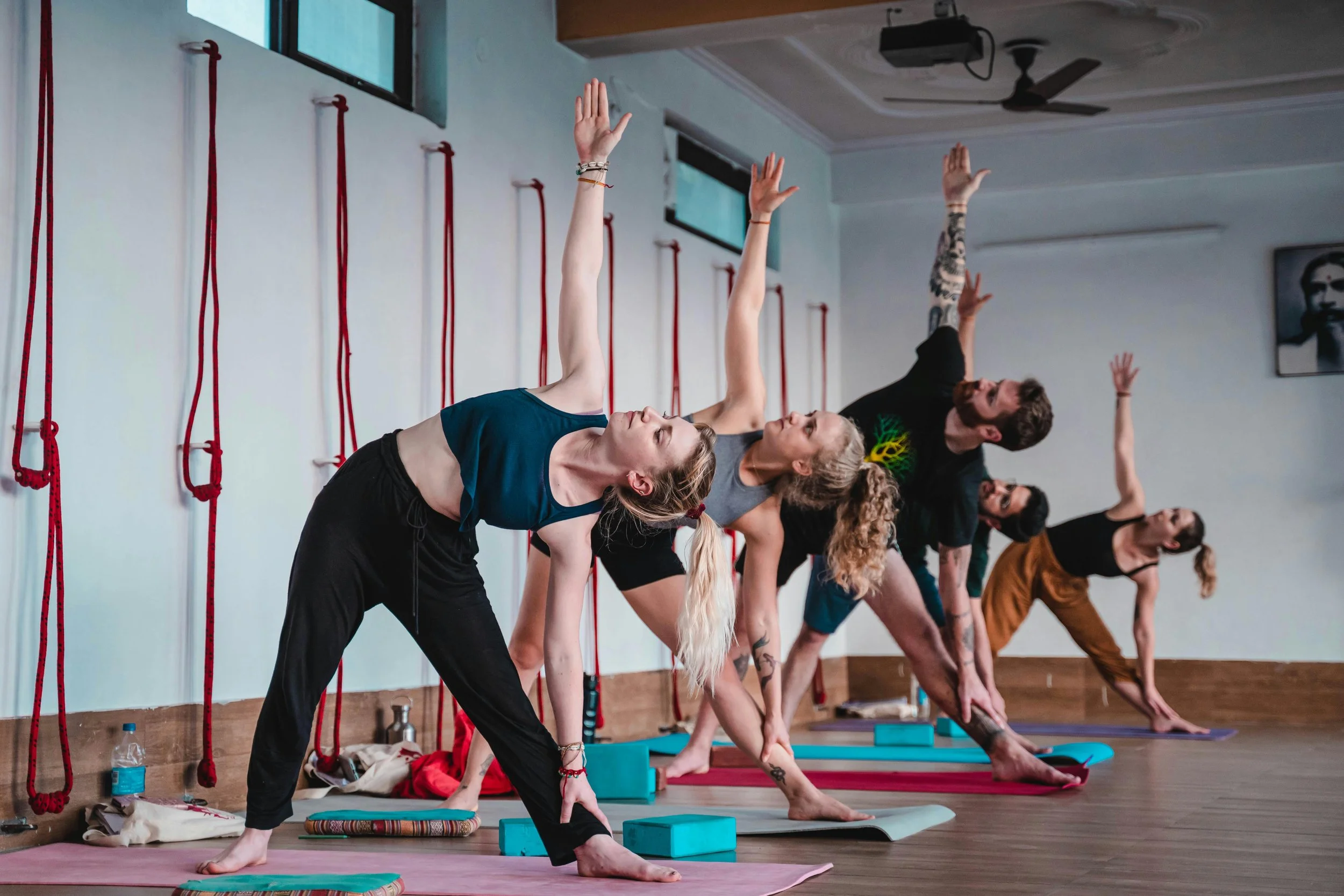
The Australian commercial real estate market is currently defined by a single, ruthless trend: the "flight to quality."
Post-2024, the definition of a "Grade A" asset shifted. It is no longer enough to offer floor-to-ceiling glass and a concierge in the lobby. We have entered the era of the "hotelification" of the workplace. Tenants in Sydney, Melbourne, and Brisbane are abandoning B-grade stock for premium assets that offer an experience, not just a floor plate.
For Property Managers and Asset Owners, the challenge is clear: How do you activate your building to compete in the amenity wars?
While end-of-trip facilities and coffee roasters are now standard, the new frontier of tenant retention is curated wellness programming. At Movement Assembly, we are seeing a surge in commercial assets integrating corporate yoga directly into their service offering - not just as a perk, but as a strategic tool for building community and value.
Here is why your building needs to get moving.
1. The Office as a Destination, Not an Obligation
The hybrid working model has permanently changed the game. Employees don't have to come to the office anymore; they have to want to come.
Tenants are putting pressure on Asset Managers to help them "earn the commute." If a building offers nothing more than a desk (which the employee already has at home), occupancy remains low.
Corporate yoga classes act as a "magnet event." A scheduled 7:30 AM Sunrise Flow or a 12:00 PM "Desk Detox" gives staff a tangible reason to be physically present on specific days. It transforms the lobby or rooftop from a transit zone into a social hub.
Industry Insight: Buildings with active wellness programs report higher "vibrancy scores" - the feeling of energy and activity that prospective tenants look for during site inspections. A silent building feels stagnant; a building with a yoga class in the courtyard feels thriving.
2. Community Creates "Sticky" Tenants
Lease renewals are often decided by emotion as much as economics. When a tenant feels isolated in their suite, moving is easy. When their staff have formed friendships with people on other floors through a shared run club or weekly pilates session, leaving becomes harder.
Corporate wellness programs break down vertical silos. They turn a collection of separate companies into a cohesive vertical village.
By facilitating these connections through Movement Assembly’s managed classes, Property Managers create an emotional tether to the location. High community engagement translates directly to improved Weighted Average Lease Expiry (WALE) profiles.
3. Activating "Dead Zones" (Without Capital Expenditure)
One of the smartest ways to deploy corporate yoga is as a space activation tool. Every building has "dead zones" - a vacant ground-floor tenancy, a quiet outdoor terrace, or an underutilised conference room.
Instead of leaving a vacant suite empty (which signals low demand), activate it as a "Pop-Up Wellness Studio."
Visual Appeal: Prospective tenants walking past see a vibrant, healthy activity rather than a "For Lease" sign.
Low Cost: Unlike installing a gym (which requires heavy CapEx, showers, and HVAC upgrades), a corporate yoga trainer requires only floor space. Movement Assembly provides the mats, props, and sound systems.
It is a "plug-and-play" amenity that can be rotated or moved as leases are signed.
4. Mitigating Psychosocial Hazards (A Service to Tenants)
Under recent changes to Safe Work Australia regulations, your tenants now have a positive duty to manage psychosocial hazards (stress, burnout, poor support).
By offering on-site corporate yoga, you are effectively solving a compliance problem for your tenants. You provide them with a ready-made solution for employee stress regulation.
Marketing your asset as "Wellness Enabled" allows leasing agents to tell a powerful story: "Leasing here doesn't just give you space; it supports your team's mental health compliance."
5. The "Turnkey" Solution: Why Movement Assembly?
The hesitation for many Property Managers is the logistical headache. Who manages the bookings? Who checks the insurance? What if the instructor is sick?
This is where Movement Assembly differs from hiring a freelance instructor. We act as your Wellness Concierge.
Full Insurance: All our instructors are fully vetted and insured.
Diverse Menu: We don't just do yoga. We offer Mat Pilates, Meditation, Boxing, HIIT, and more, allowing you to rotate the offering based on tenant feedback.
Booking Management: We can integrate with your building's tenant experience app (like Host Digital or bring our own booking tools) to manage class caps and waivers.
Conclusion
The Amenity Wars will not be won by who has the fanciest elevator lobby. They will be won by the buildings that foster the strongest sense of community and wellbeing.
Investing in corporate yoga is a low-risk, high-reward strategy to activate your asset, retain top-tier tenants, and position your property as a modern workplace destination.
Don't let your building fall behind. Contact Movement assembly today to design a bespoke wellness calendar for your asset.
Frequently Asked Questions
1. Do we need a dedicated gym to host corporate yoga?
No. In fact, most of our commercial clients do not have a dedicated gym. We specialise in activating "found spaces." We can host sessions in a vacant tenancy, a rooftop terrace, a large boardroom, or even a section of the lobby. We adapt the class style to suit the space available.
2. Who typically pays for the classes - the landlord or the tenant?
In the "Amenity War" model, the Landlord usually covers the cost as part of the building's marketing or outgoings budget to increase tenant retention. However, we also offer "User-Pays" or subsidised models where tenants or individual employees contribute a small fee.
3. How do we measure the success of the program?
Data is key. Movement Assembly tracks attendance numbers, repeat engagement rates, and qualitative feedback from participants. We provide Property Managers with regular reports to demonstrate the ROI and engagement levels of the corporate wellness program.
4. What if our tenants have different fitness levels?
Inclusivity is our priority. Our corporate yoga classes are designed as "Open Level." Our trainers are experts at providing modifications, ensuring that a complete beginner in their 50s feels just as comfortable as a fitness enthusiast in their 20s. We can also offer gentler options like Yin Yoga or Meditation.
5. Can we trial a program before committing?
Absolutely. We recommend starting with a "Wellness Week" or a "Month of Movement" pilot. This allows you to gauge tenant interest, determine the best time slots (e.g., morning vs. lunch), and find the preferred class styles before locking in a long-term schedule.